

ALZA ACTIVE · COMING SOON
the activewear we wanted and couldn’t find
Performance apparel designed with equal attention to fit, function, and the materials it’s made from.
Join the waitlist for development updates and early access to the first collection.
OUR REASONING
the same questions, applied to what we wear
Our day-to-day work involves helping people reduce the exposures that affect hormones, metabolism, and long-term health. We realized we were recommending changes to food, cookware, cleaning products, and personal care while still training in activewear made from materials we were trying to avoid. When we started looking for alternatives, we found ourselves compromising on either performance, design, or the standards we cared about. Rather than continuing to make that tradeoff, we decided to build the activewear line we wanted to wear ourselves.
FIRST COLLECTION
what we’re launching first
We're starting with the pieces we wear most and had the hardest time finding made the way we wanted. The first collection includes women's bra tops and shorts alongside heavyweight unisex staples and everyday accessories. Additional styles, men's cuts, and future collections are already in development.
IN DEVELOPMENT
the designs and colorways, so far
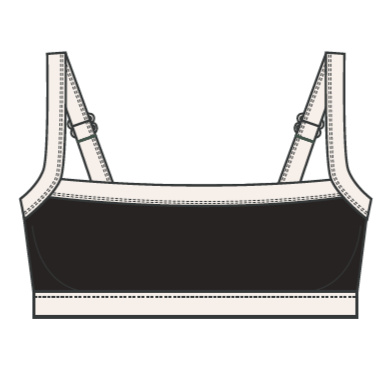
straight bra
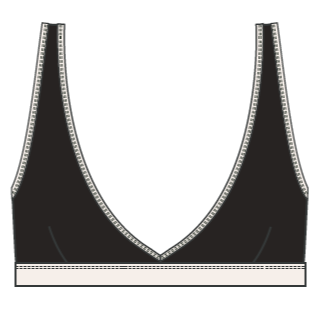
scoop bra
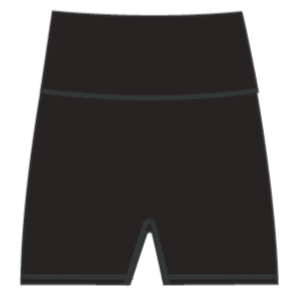
SHORTS

ESPRESSO

CREAM

OLIVE GREEN
MATERIALS
what we pay attention to
-
Used to create water-resistant, stain-resistant, and performance finishes. PFAS persist in the body and environment and have been associated with changes in hormone function, immune health, fertility, and metabolism.
-
Used in plastics, textile printing, and manufacturing processes. Phthalates have been associated with changes in hormone signaling, reproductive health, and metabolic function.
-
Used in plastics and textile manufacturing. Bisphenols interact with hormone receptors and have been studied for their effects on endocrine function, fertility, and metabolism.
-
Added to fabrics to reduce odor and bacterial growth. Certain antimicrobial compounds have been associated with hormone disruption and environmental persistence.
-
Released from synthetic textiles during washing and wear. Microplastics have been detected throughout the human body, including the bloodstream, lungs, and reproductive tissues.
DECISION-MAKING
how we make decisions
No single characteristic determines whether we use a material. We consider the available evidence, how a material is used, the amount and frequency of exposure, performance requirements, and whether claims can be independently verified. Natural doesn't automatically mean safe, and synthetic doesn't automatically mean harmful. Every decision reflects a balance between human health considerations, performance, durability, and transparency.
STANDARDS
the standards we care about
Independent testing, third-party certification, and supply chain transparency are integral to how we evaluate materials and manufacturing partners. Some of the standards we're currently evaluating include OEKO-TEX® STANDARD 100, bluesign®, GOTS, GRS, independent PFAS testing, and additional chemical screening where available. We'll publish the certifications and testing associated with each product at launch, along with the standards that apply to each piece.
get early access to alza active
Enter your email to receive product updates and early access to the first collection.